Differences Between Asphalt Courts for Tennis vs. Pickleball
People searching for tennis court and pickleball court asphalt installation are often looking to have durable, properly designed surfaces installed or upgraded, and local contractors can assist with customizing asphalt courts to meet the specific needs of each sport.
If you're considering installing a new tennis or pickleball court on your property, understanding the differences between asphalt courts for each sport can make a significant impact on your decision-making process. Property owners in the area who are exploring court options often want to know how surface characteristics influence playability, durability, and maintenance needs. Asphalt is a popular choice for both sports, but nuances in how it’s finished and textured can affect overall performance and longevity. By learning more about these distinctions, you can better collaborate with local contractors who specialize in asphalt installation for tennis and pickleball courts, ensuring the finished surface meets your specific needs.
Asphalt courts for tennis and pickleball are tailored to accommodate the unique demands of each game, from surface hardness to traction. Local service providers can help interpret these differences and recommend the best asphalt surface options based on your intended use, climate, and property layout. Whether you’re upgrading an existing court or building a new one, understanding how asphalt can be customized for each sport helps in making informed decisions. Keep reading to discover practical insights that can guide your project and connect you with experienced contractors capable of delivering a quality asphalt court suited to your recreational goals.
Get Quotes for Tennis Court And Pickleball Court Asphalt Installation
- local contractors assess the specific needs of tennis or pickleball courts and tailor asphalt installation techniques accordingly to ensure optimal playability. - when designing asphalt courts, service providers consider the differences in surface durability and bounce characteristics required for tennis versus pickleball. - asphalt installation for tennis courts often involves creating a smooth, level surface with appropriate drainage, while pickleball courts may require different surface textures for better traction. - local pros adjust the thickness and composition of asphalt layers based on the sport's movement intensity and court usage to enhance longevity and performance. - choosing the right asphalt mix and finishing techniques is essential, and service providers customize these details to meet the specific requirements of tennis or pickleball courts.
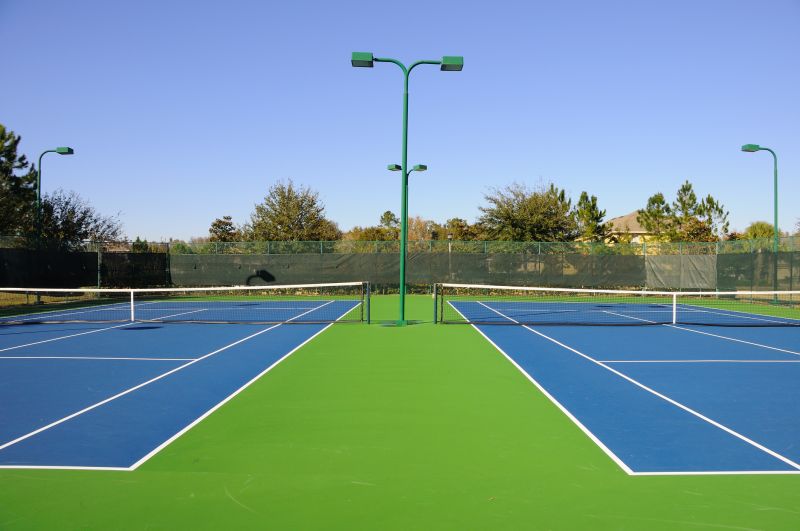
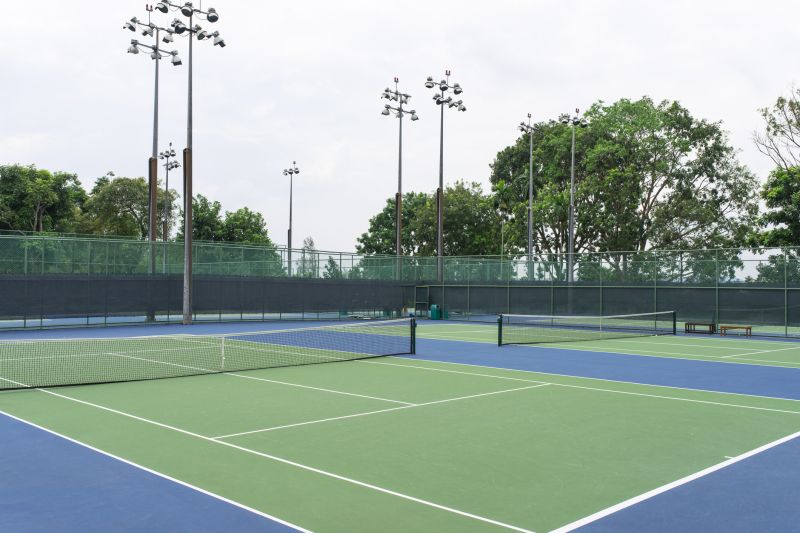
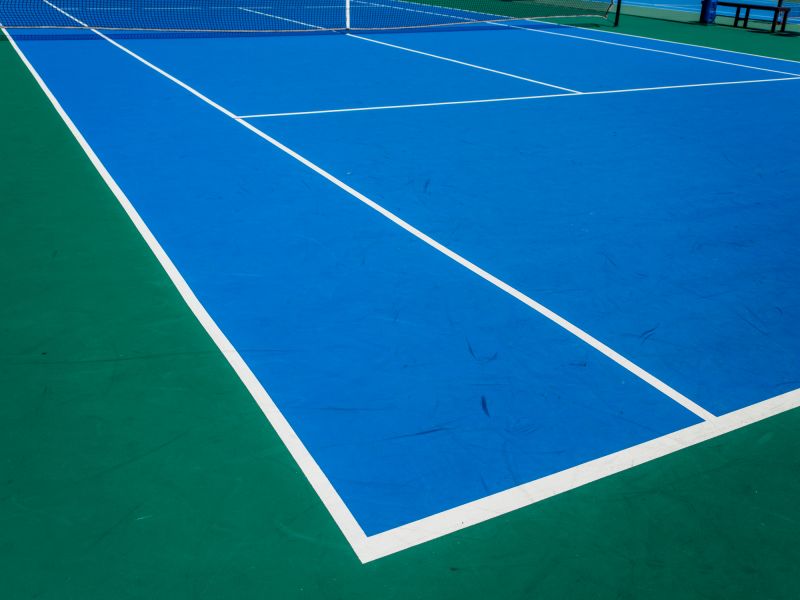
When exploring the differences between asphalt courts for tennis versus pickleball, homeowners often seek clarity on how the surface impacts gameplay, durability, and maintenance. Tennis courts typically require a smooth, resilient surface that can handle high-impact play and allow for consistent ball bounce. Pickleball courts, on the other hand, prioritize a slightly softer and more forgiving surface to accommodate the quick, lateral movements of players. Understanding these distinctions helps property owners decide which type of asphalt surface best supports their recreational goals, whether for casual play or more competitive use. Local contractors specializing in asphalt installation can provide insights into how different surface compositions and textures influence the performance of each sport.
This topic often relates to broader plans for installing or upgrading outdoor recreational spaces on residential properties, community centers, or sports complexes. Homeowners may be considering a new court for personal use or seeking to improve an existing one to better suit pickleball or tennis. Common problems include uneven surfaces, excessive cracking, or surfaces that wear out quickly under frequent use. Additionally, property owners might be exploring options to optimize court durability or enhance safety features. Local service providers who focus on asphalt court installation can help assess property conditions, recommend suitable surface types, and ensure the finished court meets the specific needs of tennis or pickleball players.
Properties that typically come up in discussions about asphalt courts include residential backyards, private sports clubs, and public parks. In residential settings, homeowners often look for durable, low-maintenance surfaces that fit within their landscape and budget. Community facilities may require larger, multi-use courts capable of supporting various activities, including tennis and pickleball. The size and location of the property influence decisions about court dimensions, surface thickness, and finishing details. Local contractors experienced in asphalt court construction understand how to adapt their work to different property types, ensuring the final product aligns with the intended sport and usage frequency.
Understanding the differences between asphalt courts for tennis and pickleball helps homeowners connect with the right local pros for their project. Whether installing a new court or renovating an existing one, it’s essential to choose the right surface characteristics to support the preferred sport. Local contractors can advise on the best asphalt mix, surface texture, and finishing techniques tailored to tennis or pickleball. They also handle the necessary groundwork, grading, and sealing processes to create a smooth, durable court that withstands regular play. By working with experienced service providers, property owners can ensure their outdoor court is properly designed and built to meet the specific demands of each sport, providing a safe and enjoyable space for years to come.
Basketball court resurfacing - local contractors specializing in asphalt resurfacing can apply similar techniques when updating or repairing sports courts, ensuring proper surface texture and durability for different sports.
Outdoor volleyball court installation - installing outdoor volleyball courts involves planning and surface preparation comparable to tennis and pickleball courts, requiring expertise in asphalt surface layering and markings.
Driveway paving services - driveway paving projects share foundational asphalt work skills, including substrate preparation and surface finishing, which are essential for durable sports court surfaces.
Multi-sport court construction - building multi-sport courts involves versatile planning and surface installation skills that are applicable when customizing asphalt courts for various athletic uses like tennis and pickleball.
Running track resurfacing - resurfacing athletic tracks requires precise surface preparation and application techniques similar to those used in creating high-quality tennis and pickleball courts.
Playground surface installation - installing durable playground surfaces involves asphalt and surface finishing skills that can be adapted to the specific requirements of sports courts like tennis and pickleball.
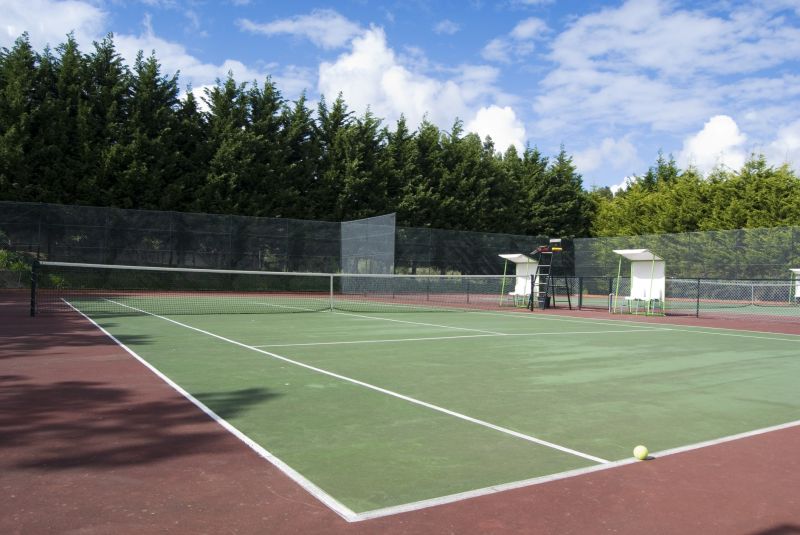
When evaluating contractors for asphalt installation of tennis and pickleball courts, it’s important to consider their experience with similar projects. Different court types have unique requirements in terms of surface preparation, drainage, and finishing techniques. Service providers with a proven track record in installing both tennis and pickleball courts can demonstrate familiarity with the specific needs of each sport’s playing surface, ensuring the asphalt is properly prepared and finished for optimal playability and durability. Reviewing their portfolio or seeking references from previous clients who have had comparable courts installed can provide insight into their expertise and the quality of their work.
Clear, written expectations are essential when comparing local contractors for asphalt court installation. A detailed scope of work should outline the specific steps involved, from site assessment and surface grading to asphalt laying and finishing touches. This documentation helps prevent misunderstandings and ensures that the contractor’s approach aligns with the unique demands of tennis versus pickleball courts. When speaking with service providers, it’s beneficial to inquire about their process and confirm that they understand the differences in surface specifications, such as thickness, surface texture, and color options, which can impact the playing experience for each sport.
Effective communication and reputable references are key indicators of a reliable contractor. Good communication involves timely responses, clarity about project scope, and openness to addressing questions or concerns. Asking for references from past clients who had similar asphalt courts installed allows for a better understanding of the contractor’s professionalism, reliability, and ability to meet expectations. Contractors who are transparent and communicative tend to provide a smoother installation process and are more likely to deliver a finished product that meets the specific needs of tennis or pickleball players, ensuring the court performs well over time.
Get a Quote for Tennis Court And Pickleball Court Asphalt Installation
Property owners often search for differences between asphalt courts for tennis vs. pickleball when they are planning practical projects around their homes and businesses. Local pros provide Tennis Court and Pickleball Court Asphalt Installation services for everyday jobs and straightforward project options.
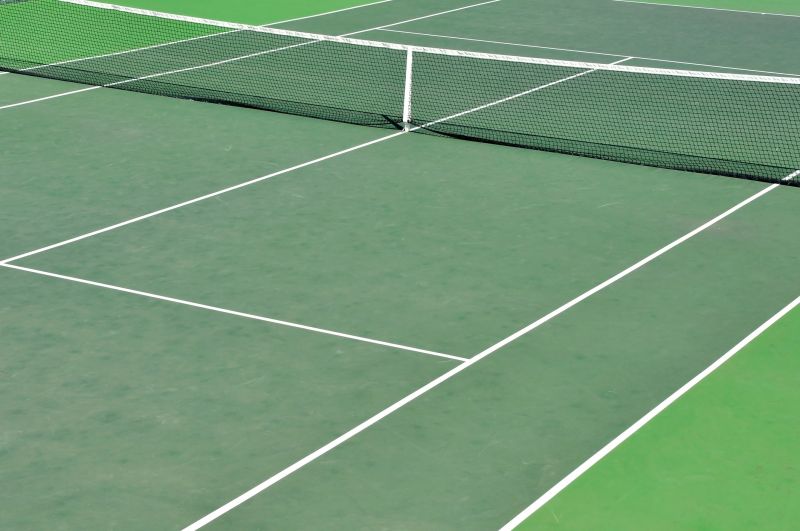
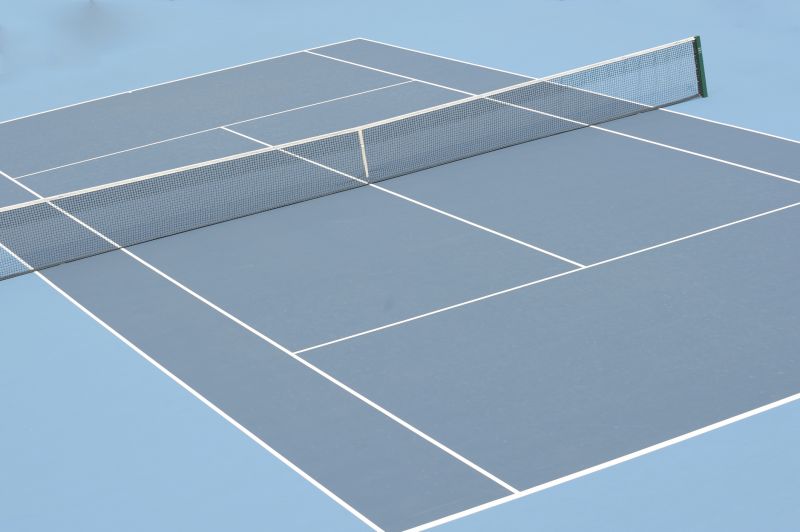
Understanding the differences between asphalt courts for tennis versus pickleball can help property owners make informed decisions when planning a new court installation or renovation. Tennis courts typically require a smoother, more durable surface that can withstand high-impact play and consistent use over time. Pickleball courts, on the other hand, often benefit from a slightly textured surface that provides adequate grip and reduces slipping, especially since the game involves quick directional changes. Local contractors experienced in asphalt court installation can advise on the specific materials and surface textures best suited for each sport, ensuring the finished court meets the players’ needs and provides a safe, reliable playing surface.
Property owners considering asphalt courts for either tennis or pickleball may also want to understand how the size and layout differences influence the asphalt installation process. Tennis courts are generally larger and require precise measurements for court lines and net placement, which can impact the asphalt's thickness and stability requirements. Pickleball courts are smaller but may demand different surface finishes to optimize bounce and traction. Local service providers skilled in asphalt court construction can help evaluate these factors and customize the installation accordingly. This ensures the court’s surface performs well for the intended sport while maintaining longevity and safety for everyday use.
Get a Quote for Tennis Court And Pickleball Court Asphalt Installation
What are the main differences in asphalt court construction for tennis versus pickleball? Asphalt courts for tennis typically require a larger surface area with specific slope and drainage considerations, while pickleball courts are smaller and may have different surface thickness and line markings. Local contractors can customize installation to meet the unique size and design needs of each sport.
How does the surface texture differ between asphalt courts for tennis and pickleball? Tennis courts often have a slightly rougher asphalt surface to provide better traction for players, whereas pickleball courts may have a smoother finish to accommodate the quick movements and ball bounce characteristics of the game. Service providers can adjust surface texture during installation based on sport requirements.
Are there differences in asphalt thickness or layering for tennis versus pickleball courts? Yes, tennis courts generally require a thicker asphalt layer to withstand higher impact and wear, while pickleball courts may use a thinner layer suited for lighter use. Local asphalt installers can tailor the layering to optimize durability for each sport.
Do the line markings differ for asphalt courts used for tennis compared to pickleball? Yes, tennis courts have larger, more extensive markings, while pickleball courts have smaller, specific lines within the same asphalt surface. Service providers can accurately install the appropriate line markings for each sport during asphalt installation.
Can asphalt courts for tennis and pickleball be combined into a multi-sport surface? It is possible to design asphalt courts that accommodate both sports with different zones or markings, but each may require specific surface preparation and layout considerations. Local contractors can advise on the best approach for multi-sport asphalt courts based on the intended use.
Surface durability - Understanding the differences in asphalt durability helps property owners choose the best surface for frequent tennis or pickleball play, with local contractors providing guidance on suitable materials.
Surface smoothness - Recognizing how surface smoothness affects ball bounce and player movement allows for more informed decisions when planning asphalt courts for either sport, with local pros ensuring proper installation.
Court markings and dimensions - Knowing the specific marking and size requirements for tennis versus pickleball courts ensures proper layout, with local service providers helping implement these details during asphalt installation.
Surface texture and grip - Selecting the appropriate asphalt texture for optimal grip and safety tailored to each sport can enhance gameplay, with local contractors customizing surfaces to meet these needs.
If you are thinking about differences between asphalt courts for tennis vs. pickleball for a property, this guide is meant to help you understand this topic, the typical project types, and how different options might fit your plans.
When you are ready, you can use the quote form on this page to share a few details about your project. From there, local pros can review the basics and follow up with options that match what you have in mind.
Get a Quote for Tennis Court And Pickleball Court Asphalt Installation