Asphalt Paving Requirements for Regulation Tennis and Pickleball Courts
People seeking tennis and pickleball court paving often want reliable asphalt solutions, and local contractors can ensure the paving meets regulation requirements for optimal play.
Property owners considering the installation or renovation of regulation tennis and pickleball courts often find themselves navigating specific asphalt paving requirements essential for optimal gameplay and durability. Ensuring the paving meets these standards is crucial for achieving a smooth, level surface that supports consistent ball bounce and player safety. Whether planning a new court or upgrading an existing one, understanding these guidelines helps property owners make informed decisions and avoid costly mistakes down the line.
For those in the local area, exploring asphalt paving requirements for regulation tennis and pickleball courts is a practical step toward a successful project. Skilled local contractors familiar with these standards can provide the expertise needed to deliver a surface that meets all necessary specifications. Keeping this information in mind encourages property owners to connect with experienced service providers who can handle the paving process, ensuring courts that are both compliant and built to last.
- Tennis court paving - when preparing a surface that meets regulation standards for proper bounce and player safety, local contractors ensure the asphalt meets specific thickness and smoothness requirements.
- Pickleball court paving - for creating durable, level surfaces that adhere to size and surface quality guidelines, local service providers apply specialized asphalt techniques suitable for high-traffic recreational use.
- Asphalt paving for regulation courts - when upgrading or building new tennis or pickleball courts, local pros focus on achieving consistent surface elevation and proper drainage to meet sport-specific paving standards.
- Sport court asphalt installation - in projects requiring precise surface finish and durability, local contractors utilize industry best practices to meet the asphalt paving requirements for regulation tennis and pickleball courts.
- Recreational asphalt paving - for existing courts needing resurfacing or repairs, local service providers restore surface integrity to comply with the asphalt paving standards for regulation tennis and pickleball courts.
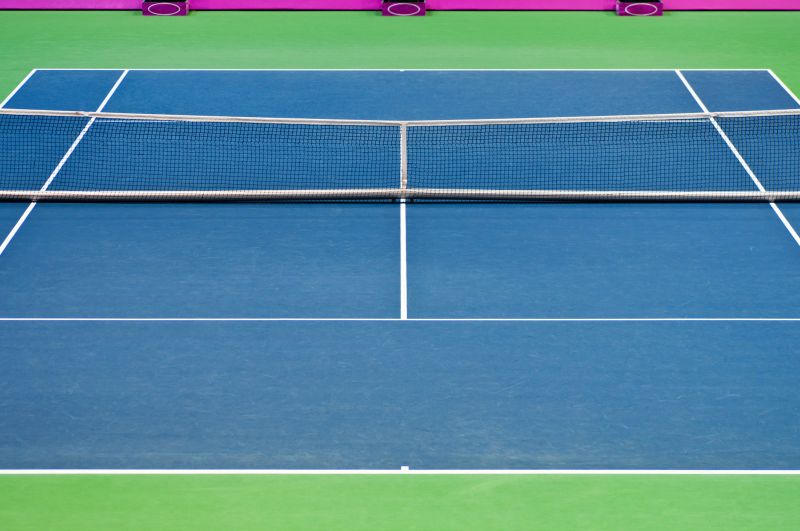
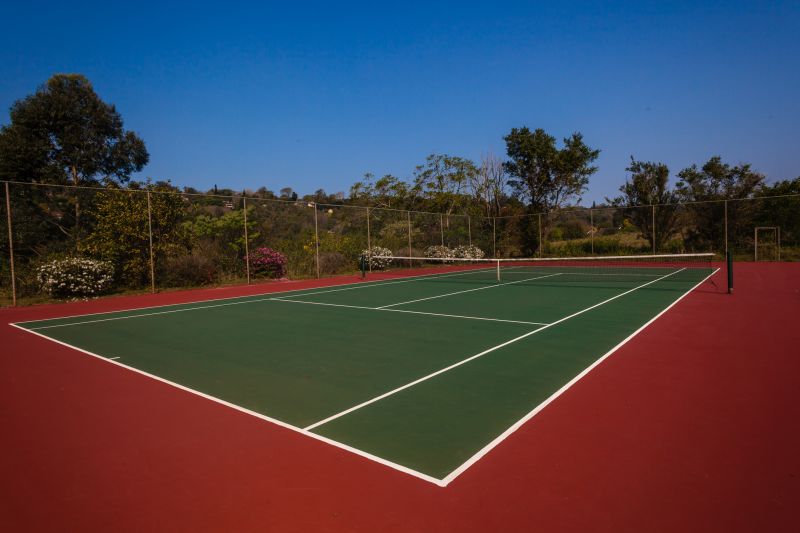
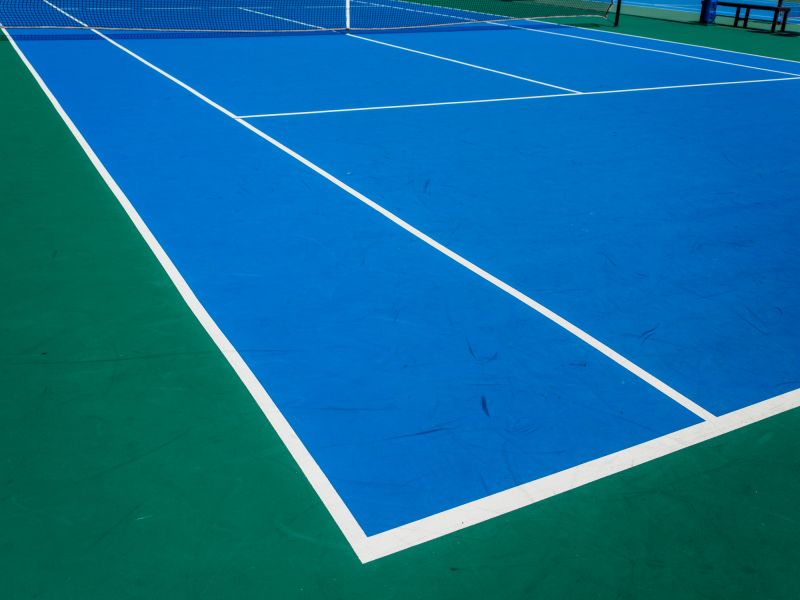
When searching for information about asphalt paving requirements for regulation tennis and pickleball courts, most people are looking for guidance on the specific standards and standards that must be met to ensure the courts are properly constructed and compliant with official regulations. This often includes details about the thickness of the asphalt layer, surface smoothness, drainage considerations, and the types of materials best suited for sports courts. Homeowners or property managers may be planning to build new courts or upgrade existing surfaces, and they want to understand what local contractors need to know to deliver a high-quality, regulation-compliant surface. Clarifying these requirements helps ensure that the courts are safe, durable, and suitable for competitive play, whether for recreational use or more serious athletic activities.
These paving requirements are closely tied to common problems or planning considerations that property owners face when developing or maintaining tennis and pickleball courts. For example, uneven surfaces, poor drainage, or inadequate asphalt thickness can lead to issues like cracking, surface deterioration, or unsafe playing conditions. Property owners often need to coordinate with local contractors to ensure the paving work adheres to official standards, preventing costly repairs or modifications later on. Additionally, planning for proper sub-base preparation, surface leveling, and finishing touches are crucial steps that influence the longevity and performance of the courts. Understanding these aspects helps property owners avoid common pitfalls and achieve a surface that meets both safety and playability expectations.
The types of properties where asphalt paving for regulation tennis and pickleball courts typically come up include residential yards, community recreation centers, schools, and sports clubs. Residential properties with enough space may seek to add a private court for personal use, while larger facilities may require multiple courts to serve a community or organization. Schools and parks often look for durable, cost-effective surfaces that can withstand high usage and weather conditions. These properties tend to have varying sizes and layouts, but all benefit from professional guidance to ensure the asphalt paving meets regulation standards. Local service providers are experienced in working within different property types, helping clients understand the specific paving requirements relevant to their project’s size, location, and intended use.
Ultimately, understanding asphalt paving requirements for regulation tennis and pickleball courts is essential for property owners planning to develop or upgrade sports surfaces. Whether constructing new courts or resurfacing existing ones, it is important to work with local contractors who are familiar with the standards necessary for compliance and optimal performance. These professionals can help interpret the technical specifications, recommend suitable materials, and ensure the paving process results in a safe, durable, and regulation-ready surface. Connecting with local experts provides property owners with the support needed to navigate the complexities of court paving projects and achieve a finished product that meets their needs and expectations.
Basketball Court Surfacing - This project involves installing durable asphalt surfaces that require precise planning and paving skills similar to those needed for regulation tennis and pickleball courts.
Driveway Paving - Local contractors experienced in asphalt driveway paving understand the importance of proper surface preparation and smooth finishes, which are essential for tennis and pickleball court paving requirements.
Outdoor Sports Court Construction - Building various outdoor sports courts, such as basketball or multi-sport surfaces, shares planning and paving techniques relevant to creating regulation tennis and pickleball courts.
Walking Path and Trail Paving - Paving walking paths and trails involves similar surface stability and grading considerations critical for regulation tennis and pickleball court surfaces.
Parking Lot Resurfacing - Resurfacing parking lots requires asphalt expertise and surface uniformity skills that align with the requirements for high-quality tennis and pickleball court paving.
Industrial Flooring Projects - Installing durable industrial asphalt floors demands precise paving and surface leveling skills, paralleling the standards needed for regulation tennis and pickleball courts.
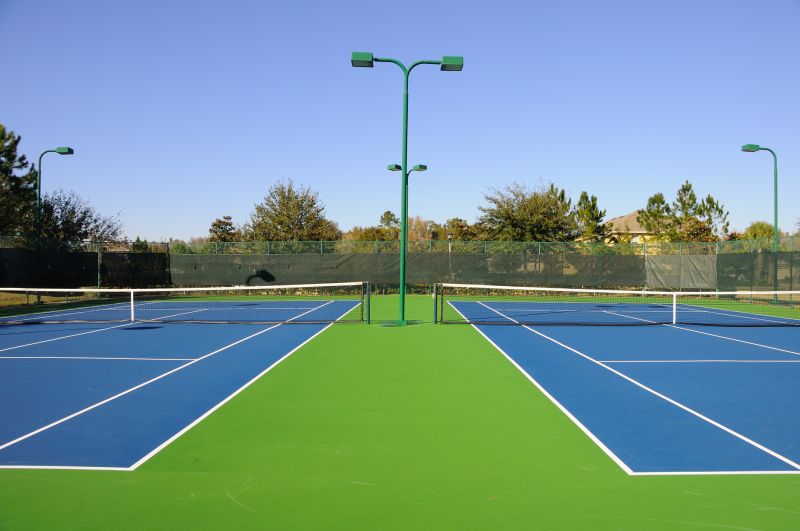
When evaluating service providers for asphalt paving requirements for regulation tennis and pickleball courts, it is important to consider their experience with similar projects. Contractors who have previously handled sports court paving are more likely to understand the specific standards and technical considerations involved in creating a durable, level surface suitable for regulation play. Asking about their past work on tennis and pickleball courts can provide insight into their familiarity with the necessary surface thickness, drainage solutions, and surface smoothness, all of which are critical for compliance and optimal gameplay.
Clear, written expectations are essential when comparing local contractors for tennis and pickleball court paving services. A reputable service provider should be able to outline the scope of work, including surface preparation, asphalt mix specifications, and finishing details, in a detailed proposal or contract. This documentation helps ensure that both parties have a shared understanding of the project requirements and standards, reducing the potential for misunderstandings or unmet expectations during the construction process.
Reputable references and effective communication are key factors in selecting a reliable contractor. Service providers with positive references from previous clients can offer reassurance about their professionalism and quality of work. Additionally, good communication throughout the project-such as timely updates, responsiveness to questions, and clarity in discussing project details-can make the entire process smoother and more predictable. These qualities help ensure that the paving work aligns with the specific asphalt paving requirements for regulation tennis and pickleball courts, ultimately supporting a successful installation.
Property owners often search for asphalt paving requirements for regulation tennis and pickleball courts when they are planning practical projects around their homes and businesses. Local pros provide Tennis and Pickleball Court Paving services for everyday jobs and straightforward project options.
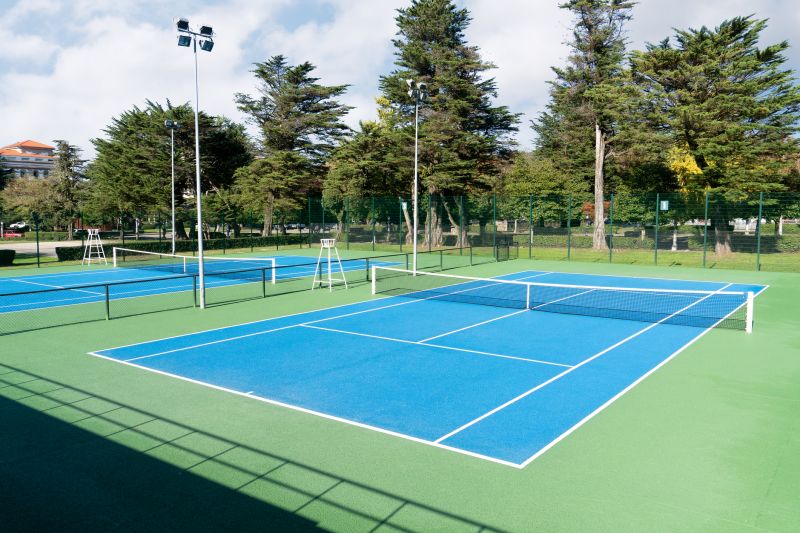
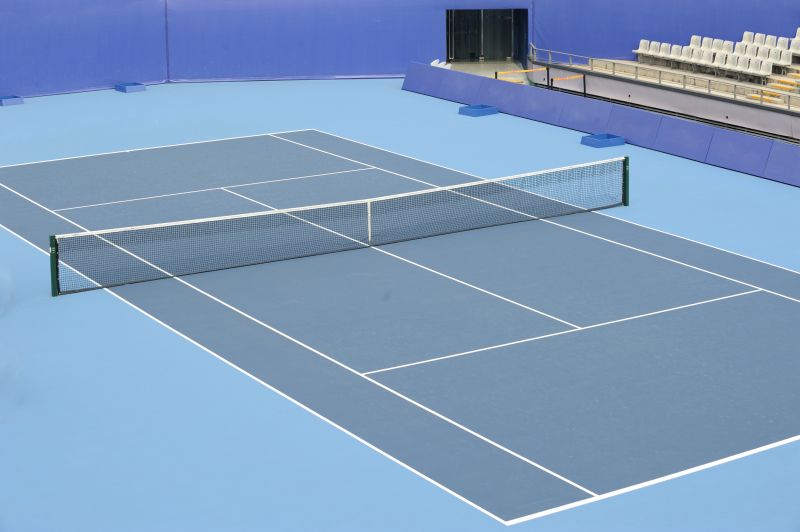
Property owners interested in installing or upgrading regulation tennis and pickleball courts often seek information about asphalt paving requirements to ensure proper surface quality and durability. In many cases, those planning a new court or resurfacing an existing one want to understand the standards that asphalt must meet for smoothness, thickness, and stability. Local contractors experienced in sports court paving can help navigate these specifications, making sure the asphalt surface complies with industry guidelines and provides a reliable playing experience.
For many property owners, working with local service providers ensures the paving process adheres to the necessary regulations for regulation tennis and pickleball courts. These professionals understand how to prepare the foundation, select appropriate asphalt mixes, and apply the right finishing techniques. Connecting with local experts can make the project smoother, resulting in a court surface that meets the performance standards required for competitive play and long-lasting use.
What are the asphalt paving requirements for regulation tennis and pickleball courts? Local contractors typically follow standards that ensure a smooth, durable surface with proper drainage and a specific thickness to meet regulation play. They can help ensure the paving meets all necessary specifications for safety and performance.
How does asphalt paving impact the performance of tennis and pickleball courts? Proper asphalt paving provides a consistent, level surface that reduces the risk of injuries and allows for predictable ball bounce, which is essential for regulation play. Experienced service providers can help achieve the right surface quality.
Are there specific surface thickness or material standards for asphalt courts? Yes, local paving professionals are familiar with the recommended thickness and material quality needed for regulation courts, typically involving layers that support stability and longevity under frequent use.
What role does drainage play in asphalt paving for tennis and pickleball courts? Adequate drainage is critical to prevent water accumulation that can damage the asphalt and affect play. Local pros can incorporate proper slope and drainage solutions into the paving process.
Can asphalt paving requirements vary between tennis and pickleball courts? While the fundamental paving standards are similar, local contractors may adjust specifications slightly to accommodate the different surface speed and bounce characteristics preferred for each sport, ensuring compliance with regulation standards.
Understanding asphalt thickness standards - property owners can work with local contractors to ensure the asphalt paving meets regulation tennis and pickleball court requirements for durability and performance.
Proper sub-base preparation - planning a project with experienced service providers helps create a stable foundation that supports the specific surface type needed for regulation courts.
Surface smoothness and grading - engaging local pros ensures the asphalt surface is properly graded and finished to meet the precise elevation and flatness standards for playability.
Drainage considerations - property owners can coordinate with contractors to incorporate effective drainage solutions that prevent water pooling and preserve court integrity.
If you are thinking about asphalt paving requirements for regulation tennis and pickleball courts for a property, this guide is meant to help you understand this topic, the typical project types, and how different options might fit your plans.
When you are ready, you can use the quote form on this page to share a few details about your project. From there, local pros can review the basics and follow up with options that match what you have in mind.